
Kenyan Coffee
Kenyan coffee is often referred to as the “Champagne of Coffee” by connoisseurs and specialty roasters. Its global reputation isn’t just marketing; it is a result of a “perfect storm” of geography, unique genetics, and a processing method that is arguably the most meticulous in the world. Here are the four pillars that make Kenyan coffee exceptional:
1. The "SL" Genetics (The Secret Sauce)
Most of the world’s best coffee comes from the SL28 and SL34 varieties. Developed in the 1930s by Scott Agricultural Laboratories, these plants were specifically bred for the Kenyan terroir.
- SL28: Famous for its deep, blackcurrant sweetness and intense acidity. It is drought-resistant and produces a highly complex cup.
- SL34: Thrives at higher elevations and adds a heavy, wine-like body to the coffee.
- Note: While newer varieties like Ruiru 11 and Batian are more disease-resistant, the classic “Kenyan profile” is almost always attributed to these original SL varieties.
2. High Altitude & Volcanic Terroir
Kenya’s best coffee is grown in the central highlands (Nyeri, Kirinyaga, Murang’a) at altitudes between 1,500 and 2,100 meters above sea level.
- Slow Maturation: The high altitude means cooler temperatures, which causes the coffee cherries to develop more slowly. This allows the sugars and organic acids more time to concentrate within the bean.
- Red Volcanic Soil: The soil around Mt. Kenya is rich in phosphoric acid and minerals. This specific soil chemistry is directly linked to the “bright” and “sparkling” phosphoric acidity that Kenyan coffee is famous for.
3. The "72-Hour" Double Fermentation
Kenya uses a unique “washed” processing method that is much more labor-intensive than in other countries.
- Double Washed: After pulping, the beans are fermented for up to 24–48 hours, washed, and then fermented again in clean water for another 12–24 hours.
- The Result: This “double soak” removes every trace of mucilage and creates an incredibly “clean” cup profile. It amplifies the acidity and prevents any earthy or fermented “off-flavors” from creeping in.
4. A Brutal Grading System
Unlike many countries where coffee is sold in mixed batches, Kenya uses a strict size-based grading system:
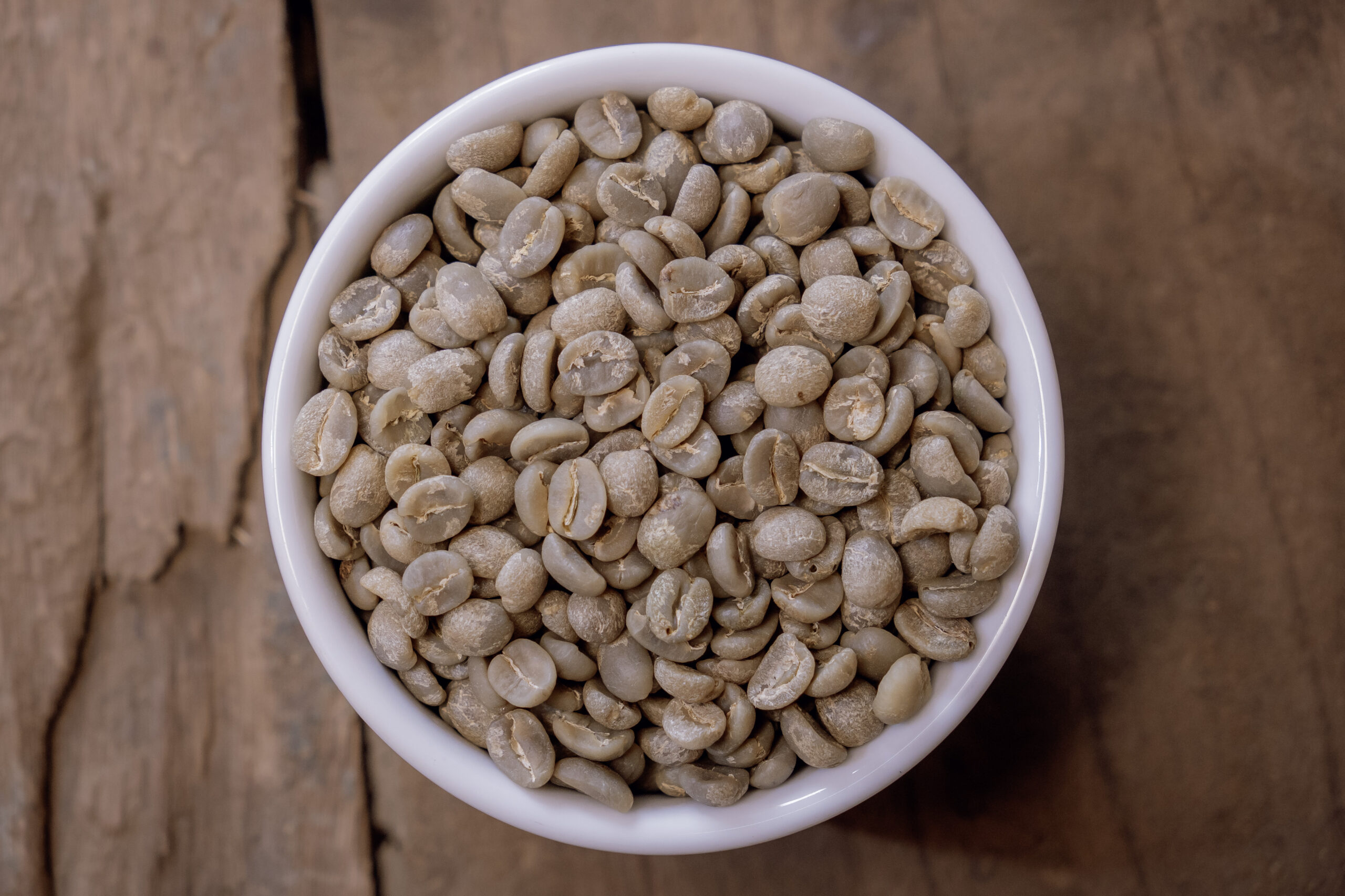
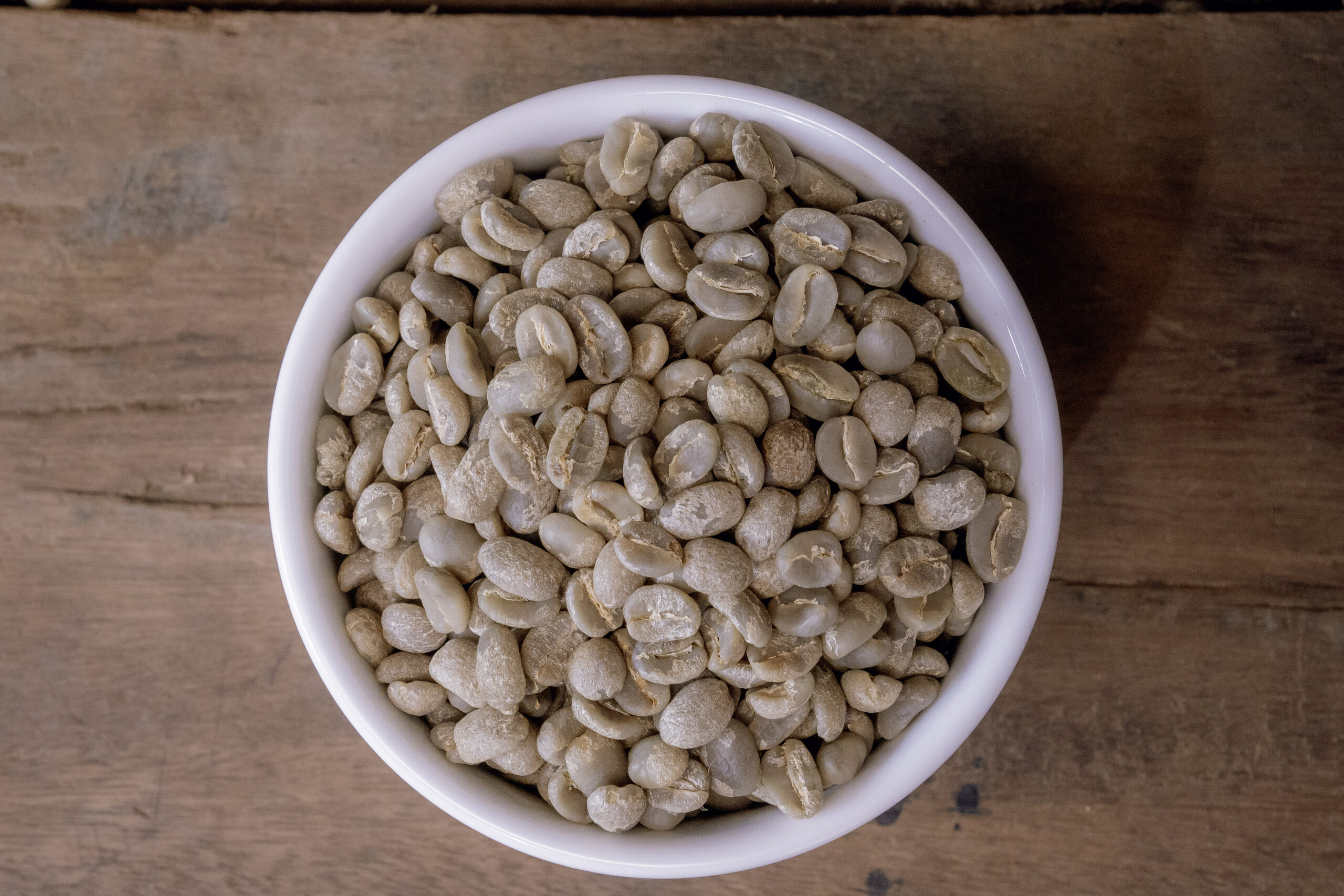
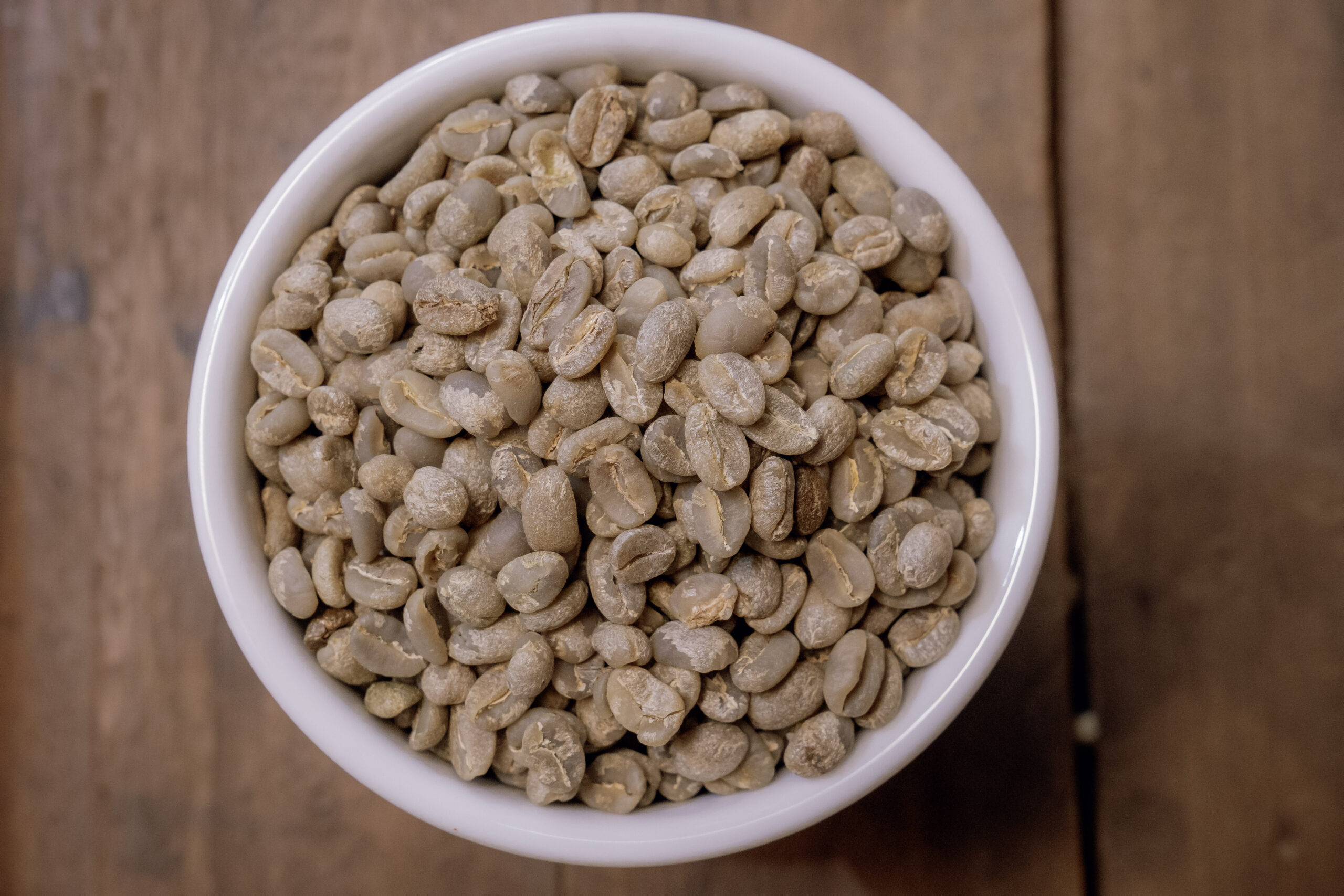
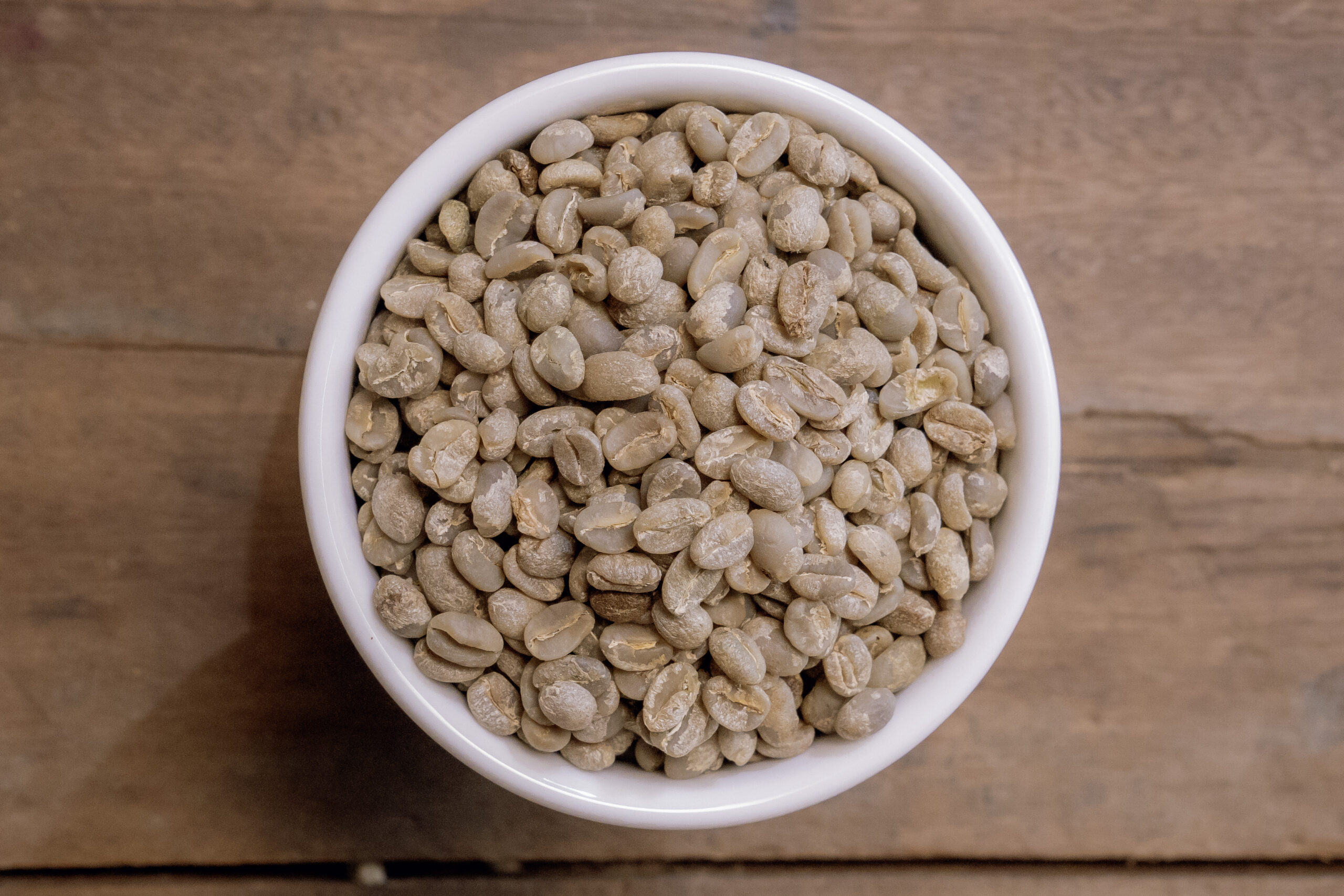
- AA: The largest and densest beans (screen size 17/18). These are the most prized because they roast more evenly and contain the highest concentration of oils and flavors.
- AB: A mix of A and B beans (slightly smaller but often just as flavorful).
- PB (Peaberry): A rare natural mutation where only one round bean grows inside the cherry instead of two flat ones. They are highly sought after for their concentrated sweetness.
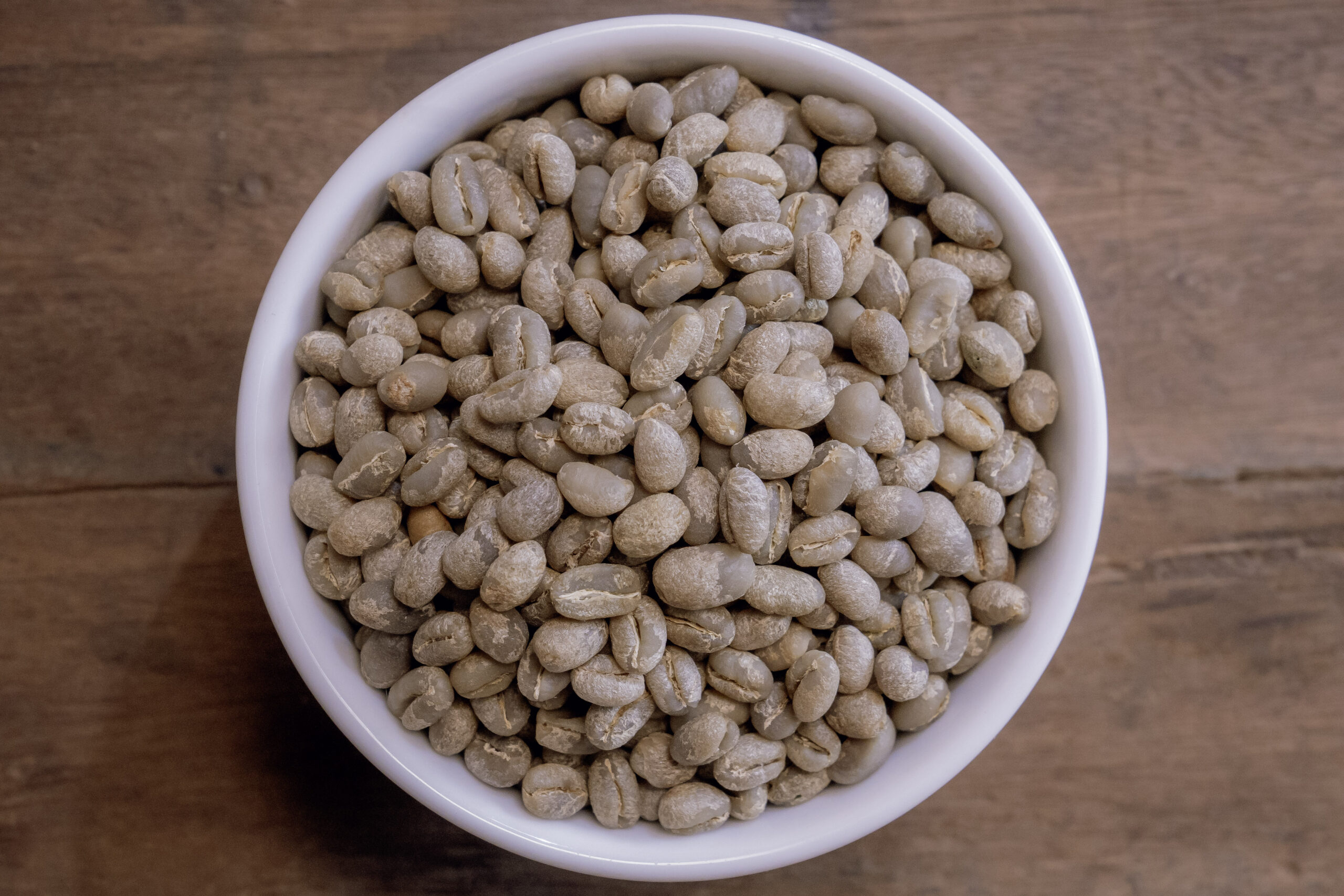
The Flavor Profile:
What to Expect...
If you are cupping high-quality Kenyan coffee, you will likely encounter:
Acidity: Bright, “wine-like,” or “effervescent” (like a tart citrus).
Notes: Distinctive blackcurrant, blackberry, grapefruit, and sometimes floral hibiscus.
Body: Full, syrupy, and substantial.
COFFEE GRADING
In Kenya, coffee grading is a meticulous process that happens at the dry mill. Unlike some countries that grade primarily on flavor, the Kenyan system is officially based on bean size, shape, and density.
The logic is simple: larger, denser beans usually come from higher altitudes, contain more essential oils, and—crucially—roast more evenly than a mixed bag of different sizes.
- The Grade Categories (Size & Shape)
Kenya uses circular sieves (screens) with holes measured in 64ths of an inch to sort the “green” (unroasted) coffee.
Grade | Name | Description | Screen Size |
E | Elephant | The largest beans; often two seeds fused into one. Rare and prized for their bold look. | Screen 21+ |
AA | Grade AA | The most famous grade. Large, dense, and associated with high-altitude specialty coffee. | Screen 17/18 (7.2mm) |
AB | Grade AB | A combination of A and B beans. The most abundant grade in Kenya (approx. 40% of the crop). | Screen 15/16 (6.8mm) |
PB | Peaberry | A natural mutation where only one round seed grows in the cherry. Known for intense, concentrated flavor. | Single round bean |
C | Grade C | Smaller, thinner beans sorted out from the AB grade. | Screen 14/15 |
TT | Grade TT | Light-density beans separated from AA and AB using air currents. | Air-sorted (Density) |
T | Grade T | The smallest, thinnest beans, often consisting of broken chips or fragments. | Smallest/Broken |
MH/ML | Mbuni | “Unwashed” coffee that falls off the tree or is picked dry. Lower quality with a sour/fruity profile. | Dry-processed |
- The “Class” System (Quality & Liquor)
While the Grades (AA, AB, etc.) tell you the size, the Class tells you the taste. After size sorting, coffee is cupped by certified liquorers and assigned a Class from 1 to 10:
- Class 1–3: Extraordinary, specialty-grade coffee with zero defects and high acidity.
- Class 4–6: Good to average commercial coffee.
- Class 7–10: Poor quality, often with “off” flavors or fermented notes.
Example: A “Kenya AA Class 1” is a world-class masterpiece, whereas a “Kenya AA Class 8” might look beautiful but taste flat or defective.
- Why Size Matters to the Buyer
Understanding these grades is vital for two reasons:
- Roasting Consistency: A roaster needs all beans in a batch to be the same size so they finish at the same time. If you mix AA and C, the small C beans will burn before the AA beans are even cooked.
- Market Value: The Nairobi Coffee Exchange (NCE) prices are heavily dictated by these grades. AA typically fetches the highest premium, followed closely by PB and AB