
Kenyan Tea
Kenyan tea isn’t just a staple; it’s a global powerhouse. While many people drink it every day without realizing it (as it’s a primary component of many “English Breakfast” blends), its quality comes from a perfect storm of geography, volcanic history, and meticulous farming.
Here is what makes Kenyan Tea truly stand out:
1. High-Altitude Terroir
Most Kenyan tea is grown in the highlands at altitudes between 1,500 and 2,700 meters above sea level.
- The Benefit: At these heights, tea leaves grow more slowly. This slow growth allows the plant to develop more complex flavor compounds and a higher concentration of antioxidants (polyphenols) than tea grown at lower elevations.
2. Volcanic Soil
The tea-growing regions—such as Kericho, Nandi, and the areas around Mt. Kenya—are blessed with deep, red volcanic soils.
- The Benefit: This soil is incredibly fertile and rich in minerals, which translates into the tea’s famous “briskness”—that refreshing, lively “zing” you feel on your palate.
3. Year-Round Sunshine and "Equatorial Freshness"
Because Kenya sits right on the equator, there are no “off-seasons.”
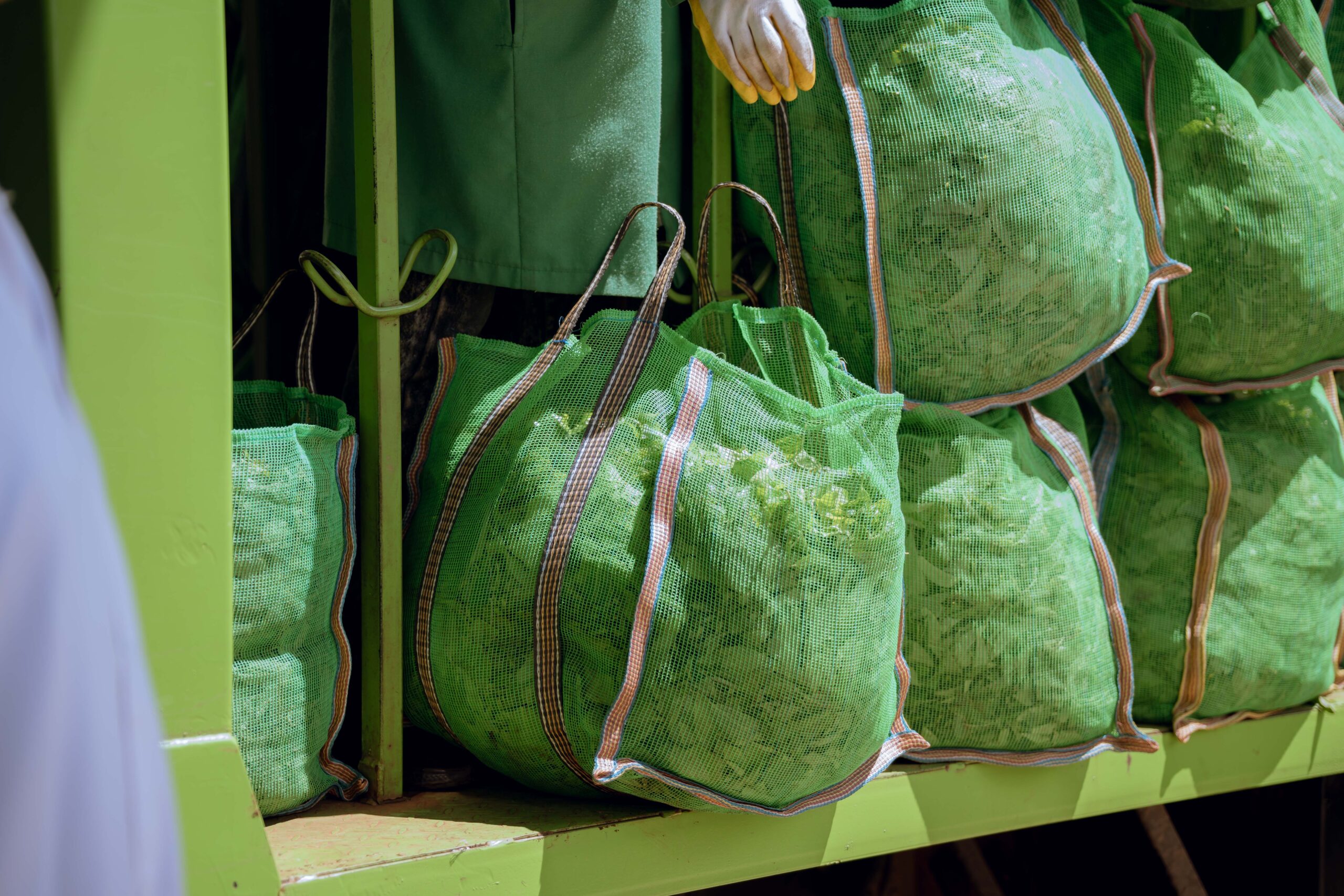
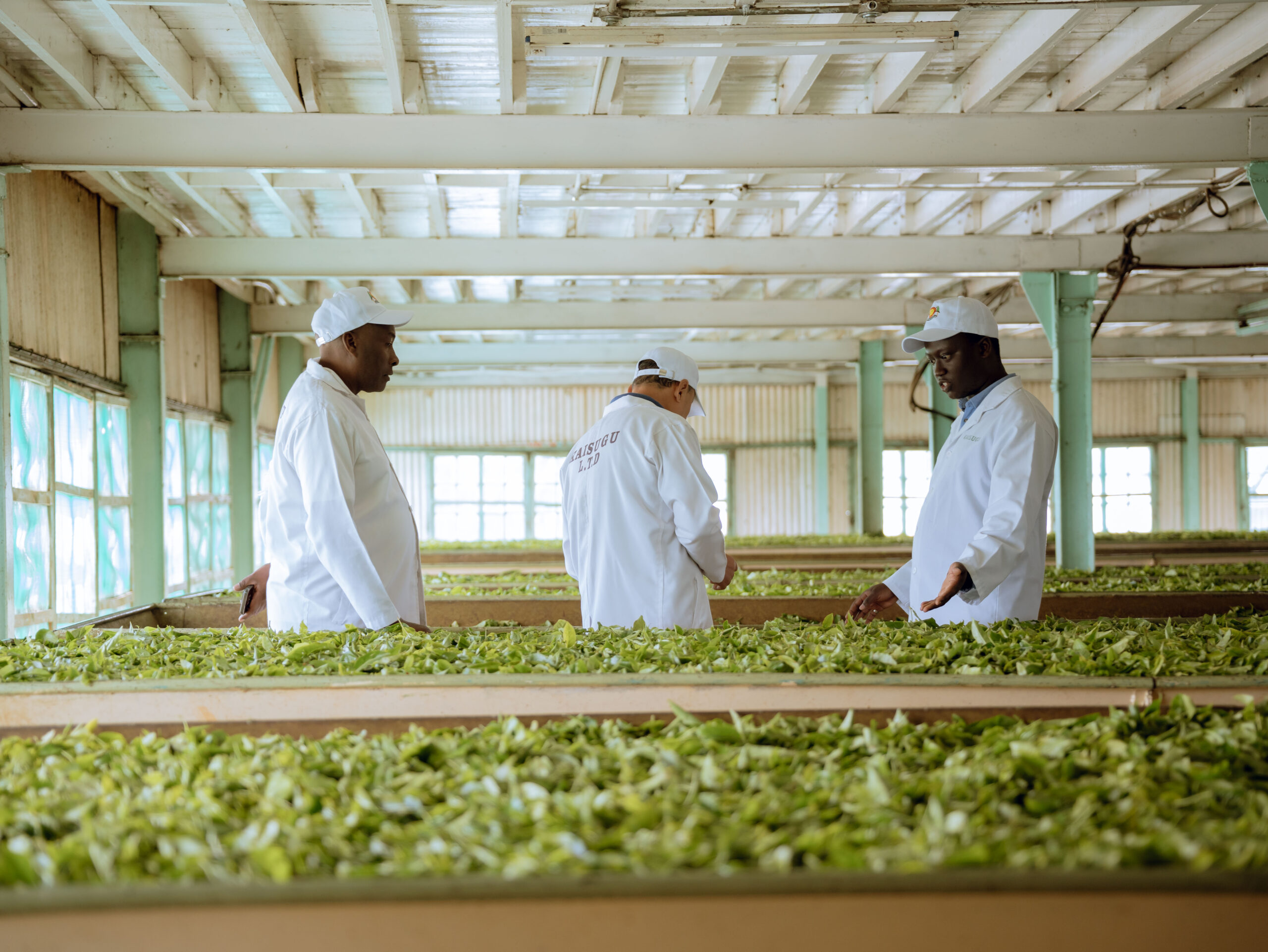
- Constant Harvest: Unlike China or India, where tea is harvested in specific “flushes,” Kenya produces tea year-round. This ensures a consistent supply of freshly picked leaves at any time of the year.
- Chemical-Free: The high altitude and ideal climate mean that pests and diseases are rare. As a result, most Kenyan tea is grown without the use of pesticides or agrochemicals.
4. The "Golden" Appearance
Kenyan tea is famous for its bright, reddish-amber liquor. If you’ve ever noticed a tea that looks particularly vibrant and clear in the cup, it’s likely from Kenya. This makes it the “gold standard” for tea blenders who want to add color and strength to their products.
5. Innovation: Purple Tea
Kenya is the world leader in Purple Tea. This is a unique cultivar that has purple leaves due to high levels of anthocyanins (the same antioxidants found in blueberries). It offers a woody, earthy flavor and has even higher health benefits than green or black tea
The Flavor Profile:
What to Expect...
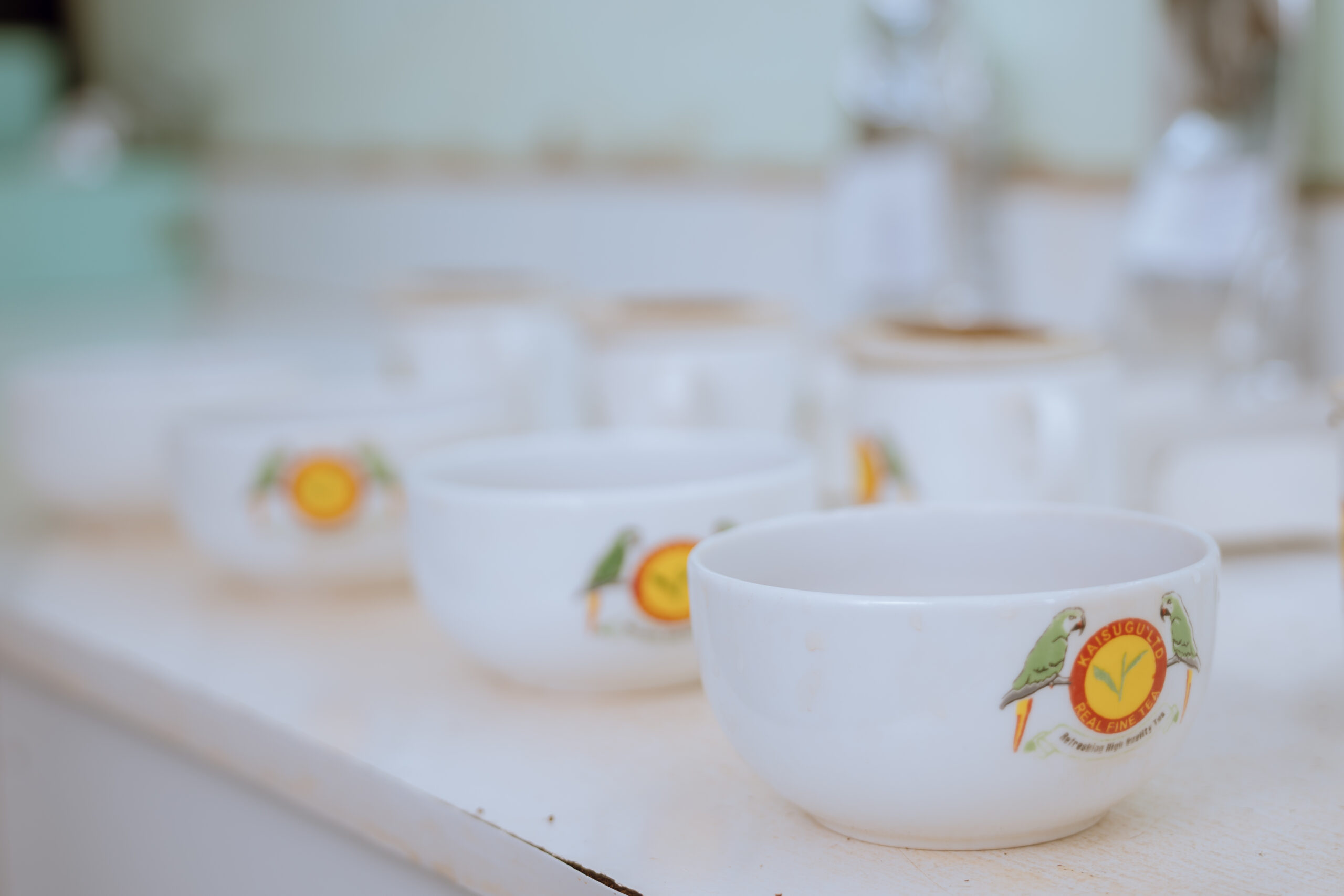
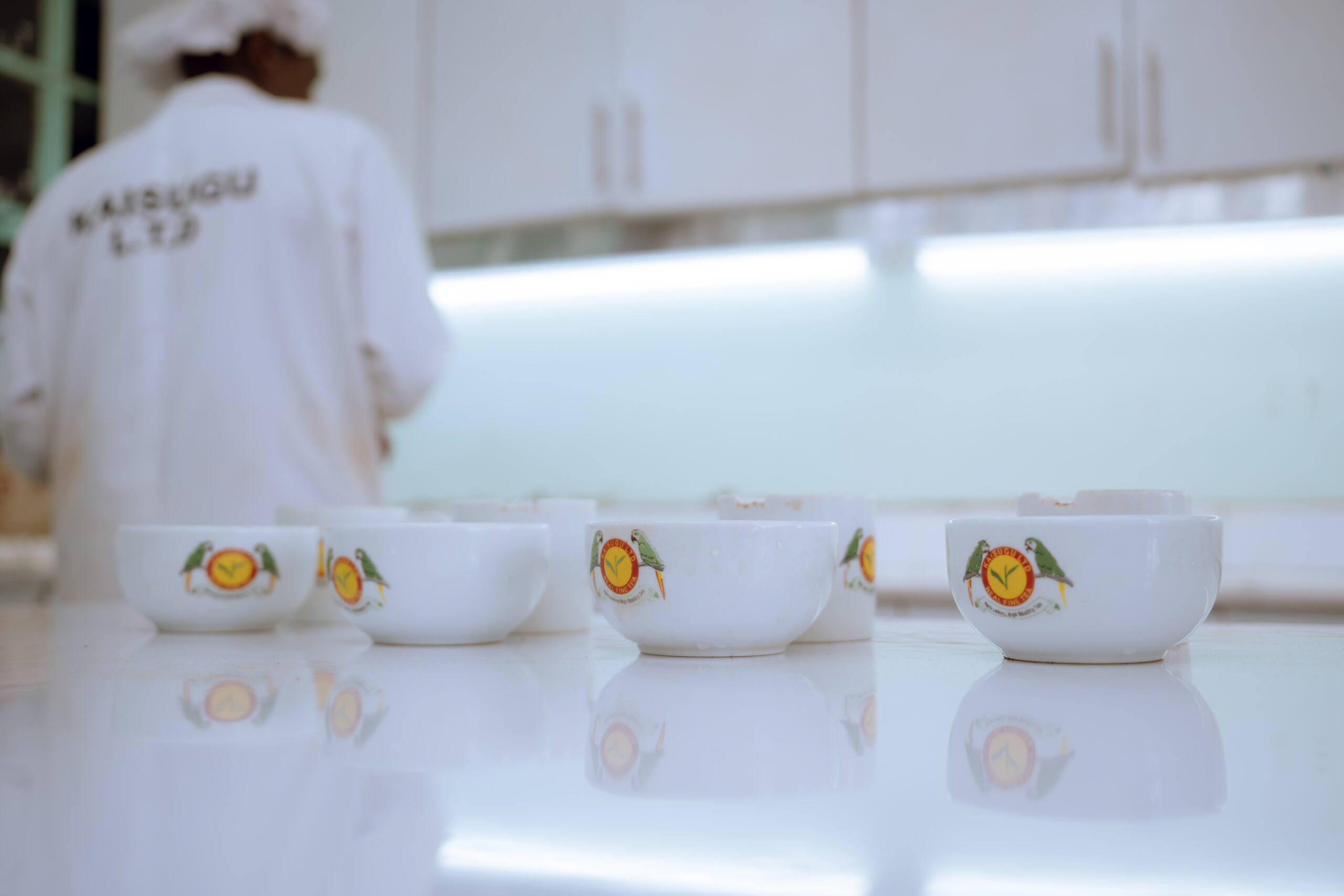
If you are cupping high-quality Kenyan tea, you will likely encounter:
Acidity: Bright and brisk, contributing to a clean, refreshing finish.
Notes: Distinctive blackcurrant and blackberry, balanced with malty undertones.
Body: Full-bodied and robust, with a smooth, substantial mouthfeel.
TEA GRADING
In Kenya, tea grading is a precise science used to categorize tea based on the size, shape, and quality of the leaf after processing. Since Kenya is the world’s leading exporter of CTC (Crush, Tear, Curl) tea, the grading system focuses heavily on the “make” and “briskness” of these small, granular pieces.
The grading happens after the leaves are dried and passed through a series of vibrating sifters with different mesh sizes.
- Primary Grades (Highest Quality)
These grades are the “cream of the crop,” consisting of the most uniform and flavorful particles.
- BP1 (Broken Pekoe 1): These are the largest granules. They produce a heavy, bold cup with a lot of “body.” It is highly sought after by blenders for its strength.
- PF1 (Peko Fannings 1): These are smaller than BP1 and are the most common grade in Kenya. Because of the smaller surface area, PF1 brews very quickly and is the “gold standard” for high-quality teabags.
- PD (Pekoe Dust): Very fine particles that offer an almost instant infusion. PD is prized for its intense color and punchy flavor.
- D1 (Dust 1): The smallest of the primary grades. It is incredibly strong and used in regions where people prefer a very dark, thick tea (often served with lots of milk).
- Secondary Grades
Secondary grades are usually composed of fiber, stalk, or smaller particles that didn’t meet the uniformity standards of the primary grades. They are still excellent for drinking but are often sold at a lower price point.
- F1 (Fannings): A mixture of smaller leaves and some fiber.
- Dust: A general category for the “sweepings” or finest particles that are less uniform than D1.
- BMF (Broken Mixed Fannings): Often contains more fiber and is used mainly in lower-cost tea blends.
- Orthodox Grading (Specialty)
While CTC dominates, Kenya’s growing Orthodox sector (whole leaf) uses a different, traditional grading system:
Grade | Description | Profile |
TGFOP | Tippy Golden Flowery Orange Pekoe | High proportion of young “golden” buds; very delicate. |
FOP | Flowery Orange Pekoe | Long leaves with some buds; elegant and floral. |
OP | Orange Pekoe | Large, whole leaves without buds; smooth and light. |
Why Grading Matters
Grading isn’t just about size; it dictates the extraction rate. A BP1 requires a longer steep (3–5 minutes) to release its flavor, whereas a D1 will give you a dark, strong cup in under 60 seconds.