
UGANDA COFFEE
Uganda is widely considered the “Rising Star of Africa.” As of 2026, Uganda has solidified its position as Africa’s top coffee exporter, offering a unique “dual-identity” that few other origins can match.
What makes Ugandan coffee great is the combination of its ancient wild heritage and its diverse mountain microclimates.
1. The Home of Wild Robusta
Uganda is the genetic birthplace of Robusta coffee (Coffea canephora). Unlike the mass-produced Robusta found elsewhere, Ugandan Robusta grows wild in the Lake Victoria basin.
- The “Native” Strength: Because it is indigenous, it is incredibly resilient and has a much more refined profile than industrial Robusta.
- Profile: It is prized for its heavy body, low acidity, and rich notes of dark chocolate, toasted nuts, and earthiness. It produces an exceptional crema, making it a secret weapon for premium Italian espresso blends.
2. The "Mountain of the Moon" Arabica
While famously known for Robusta, Uganda produces world-class Arabica in three distinct high-altitude regions: Mt. Elgon (East), the Rwenzori Mountains (West), and West Nile (North).
- Sipi Falls & Mt. Elgon: Grown on the slopes of the oldest extinct volcano in East Africa, this coffee benefits from incredibly fertile volcanic soil. It is known for its citrus brightness and creamy body.
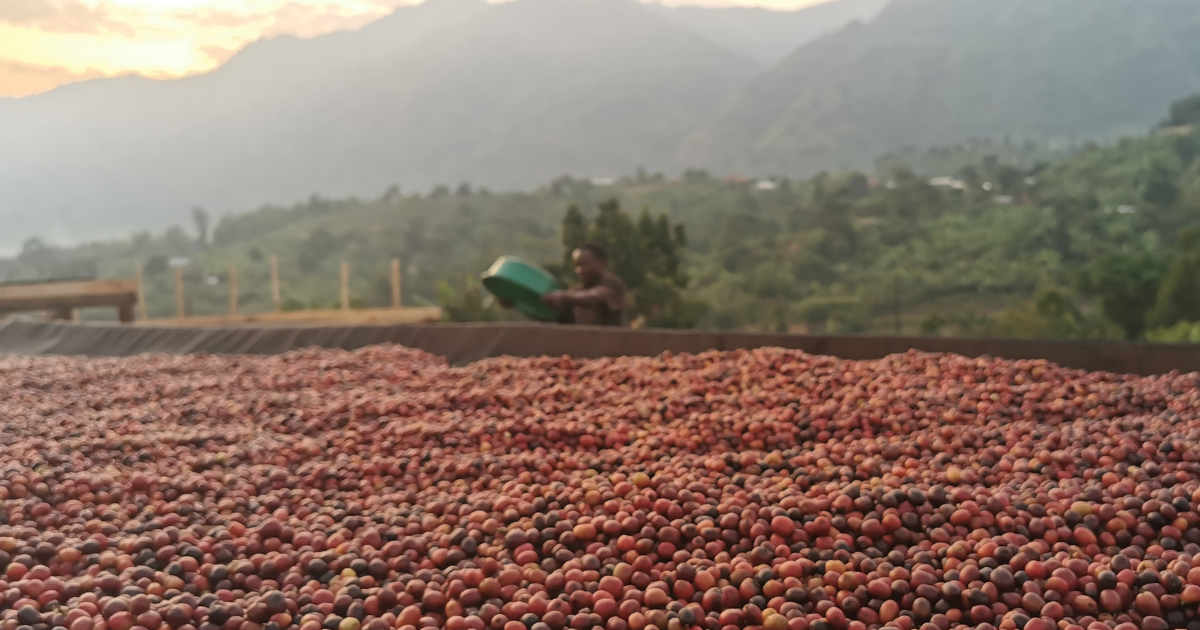
- The Rwenzori “Drugar”: Coffee from the “Mountains of the Moon” is often naturally processed, resulting in a jammy, wine-like fruitiness with deep berry notes.
3. Diverse Processing Styles
In 2026, Uganda has become a hub for experimental processing, often bringing in experts from Latin America to refine local techniques.
- Washed (Bugisu): Clean, bright, and floral.
- Natural (Rwenzori): Fruity, heavy, and complex.
- Honey & Experimental: Recently, Ugandan farmers have mastered “Honey processing” (leaving some fruit on the bean), which creates a unique balance of syrupy sweetness and orange-like acidity.
4. Permaculture & "Banana-Coffee" Forests
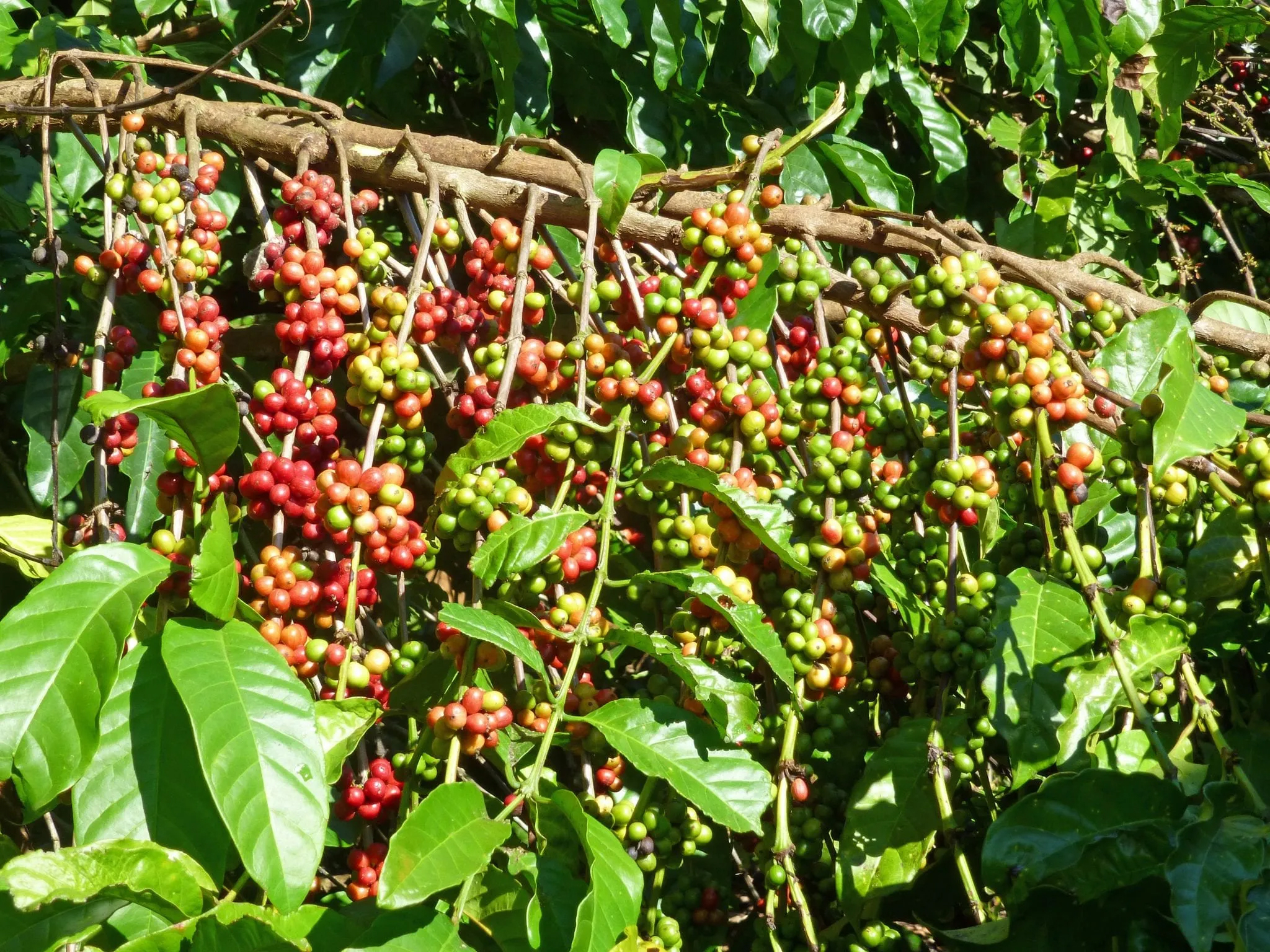
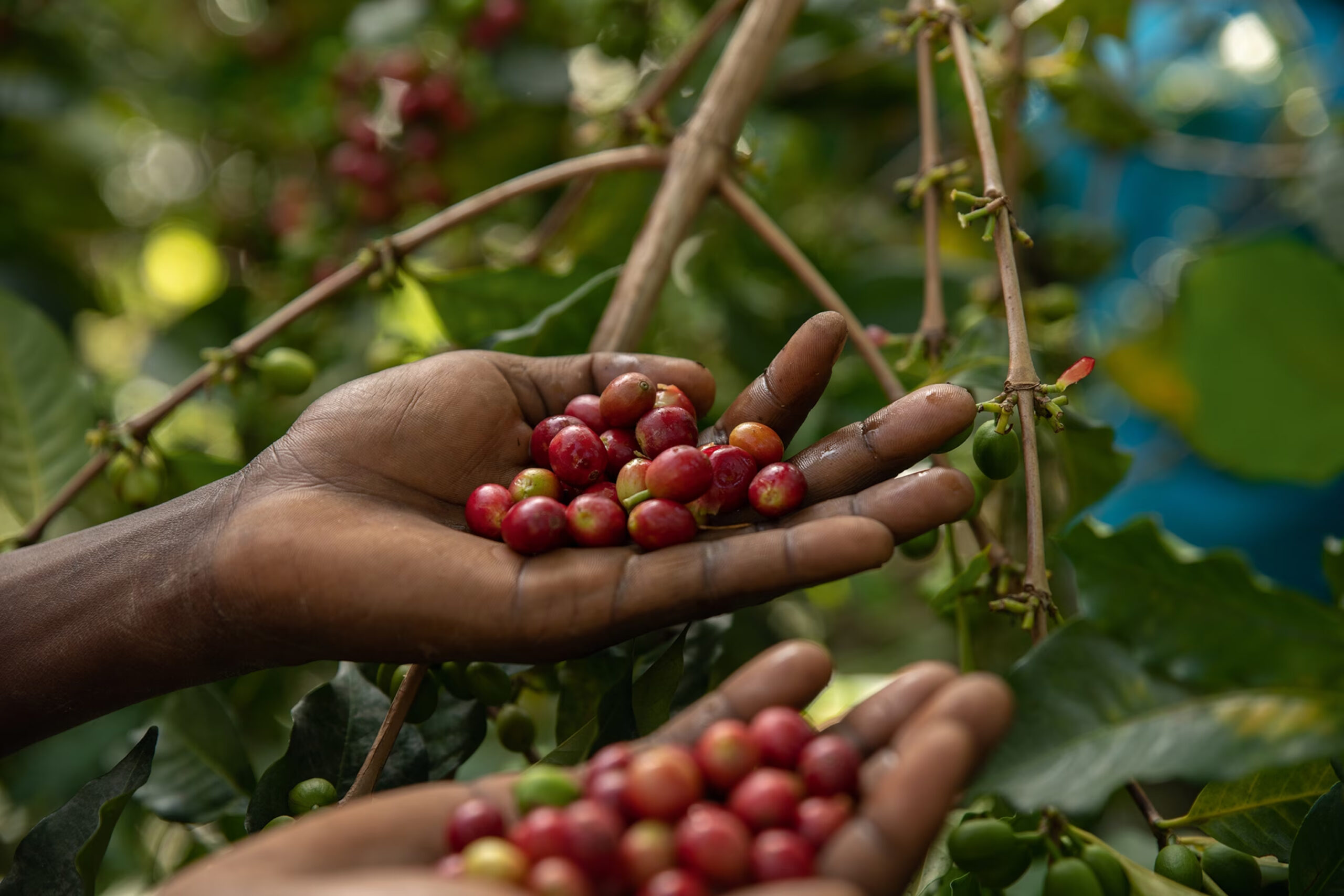
Most Ugandan coffee is grown by smallholders in “Coffee Gardens.” It is almost always grown under the shade of matooke (banana) trees and legumes.
- Natural Fertilization: This intercropping creates a self-sustaining ecosystem. The banana trees provide shade, which slows down the ripening of the coffee cherries, leading to more complex sugars.
- Organic by Tradition: Many Ugandan farms are organic by default, as farmers rely on traditional composting rather than chemical fertilizers, giving the coffee a “pure” and “untouched” reputation.
UGANDA COFFEE GRADING
- Uganda Arabica Grading
Ugandan Arabica is graded similarly to Kenya’s, using screen sizes to determine quality. Much of it is grown on Mt. Elgon (Bugisu) and the Rwenzori mountains.
Grade | Description | Screen Size |
Bugisu AA | Top grade; large, dense beans from the Elgon region. | Screen 17/18 |
Bugisu A | Premium quality, slightly smaller than AA. | Screen 15/16 |
Bugisu B | Standard export grade. | Screen 13/14 |
Bugisu PB | Peaberry – Round beans with concentrated flavor. | Single round bean |
Wugar | “Washed Uganda Arabica” from other regions (like Rwenzori). | Varies |
Drugar | “Dried Uganda Arabica” – Naturally processed (sun-dried). | Varies |
- Uganda Robusta Grading
Since Uganda is the birthplace of Robusta, the grading here is more sophisticated than in most other countries. Robusta is primarily sorted by screen size and the number of defects.
- Screen 18: The largest and highest quality Robusta beans. They are often used in “Specialty Robusta” markets.
- Screen 15: The standard high-quality export grade.
- Screen 12: Smaller beans, usually destined for commercial blends or instant coffee production.
- BHP (Black Highland Peaberry): A specific grade of hand-picked, high-quality Robusta.
- The Quality Pillars (FAQ vs. Export)
In the Ugandan trade, you will often hear the term FAQ (Fair Average Quality).
- FAQ: This is “kiboko” (dried cherry) that has been hulled but not yet graded. It contains a mix of sizes and some defects.
Export Grade: To become an export grade, FAQ must be processed in a specialized “Grading Mill” where it is sorted by size and color, and the moisture content is strictly brought down to 12% or lower.